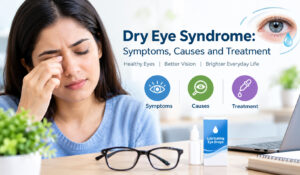
Dry Eye Syndrome: Symptoms, Causes and Treatment
Dry eyes are a common problem that can affect people of different ages. If your eyes often feel dry, itchy, tired, or irritated, you may be experiencing symptoms of dry eye syndrome. Some people also notice redness, a burning sensation, or blurred vision, especially after using a mobile phone or computer for a long time.
Dry eye syndrome occurs when the eyes do not produce enough tears or when tears evaporate too quickly. Tears are important because they keep the surface of the eyes moist, comfortable, and protected.
Although occasional dryness may improve with simple changes in daily habits, persistent symptoms should not be ignored. Understanding the causes, symptoms, and treatment options can help you take better care of your eyes.
In this guide, we will explain everything you need to know about dry eye syndrome, including its common symptoms, possible causes, treatment options, and ways to prevent discomfort.
1. What Is Dry Eye Syndrome?
Dry eye syndrome, also called dry eye disease, is a condition in which the eyes do not receive enough healthy tears to stay properly lubricated.
A healthy tear film contains different layers that work together to protect the eye’s surface. These tears help keep the eyes comfortable, support clear vision, and wash away small particles.
When tear production decreases or tears evaporate too quickly, the surface of the eye may become dry and irritated.
Dry eye syndrome can affect one or both eyes. Some people experience mild discomfort occasionally, while others have symptoms that continue throughout the day.
Common situations that may make dry eyes worse include:
- Spending long hours in front of screens.
- Sitting in an air-conditioned room.
- Being exposed to wind, dust, or smoke.
- Wearing contact lenses for long periods.
- Working in a dry environment.
- Getting older.
Dry eye syndrome can often be managed with the right treatment and lifestyle changes. However, the most suitable approach depends on the underlying cause and severity of the condition.
2. Common Dry Eye Symptoms You Should Know
Recognising dry eye symptoms early can help you seek appropriate care before the discomfort becomes more difficult to manage.
The symptoms can vary from person to person. Some people experience only mild dryness, while others may have ongoing irritation that affects reading, working, driving, or other everyday activities.
Burning or Stinging Sensation
A burning or stinging feeling is one of the common signs of dry eyes. It may feel as though something is irritating the surface of your eye.
This discomfort can become more noticeable in dry air, windy conditions, or after long hours of screen use.
Redness and Eye Irritation
When the surface of the eye becomes irritated, the eyes may look red. You may also feel the need to rub them frequently.
Avoid rubbing your eyes because this can increase irritation.
Blurred or Fluctuating Vision
Some people with dry eye syndrome experience temporary blurred vision. Their vision may become clearer after blinking and then turn blurry again.
This happens because an unstable tear film can affect the smooth surface needed for clear vision.
Persistent or sudden blurred vision should not automatically be blamed on dry eyes. It need appropriate medical assessment.
Feeling That Something Is in Your Eye
You may feel as though dust, sand, or a small particle is present in your eye, even when nothing is there.
This sensation can occur when the surface of the eye is not sufficiently lubricated.
Watery Eyes
It may seem surprising, but dry eyes can sometimes produce excessive watering.
When the eye becomes irritated, it may release extra reflex tears. These tears do not always provide the same lasting lubrication as a healthy tear film.
Eye Fatigue
Your eyes may feel tired or uncomfortable after reading, driving, studying, or working on a computer for a long time.
If these symptoms happen regularly, an eye examination can help identify whether dry eye disease or another condition is responsible.
3. What Causes Dry Eye Syndrome?
There is no single cause of dry eye syndrome. It may develop because the eyes produce fewer tears, tears evaporate too quickly, or the tear film does not function properly.
Understanding the cause helps an eye specialist recommend appropriate treatment.
Long Hours of Screen Use
When people look at mobile phones, laptops, or computers, they often blink less frequently or blink incompletely.
Blinking helps spread tears across the surface of the eye. Reduced blinking can allow tears to evaporate more quickly and contribute to dryness.
Age-Related Changes
Tear production and the quality of the tear film can change with age. As a result, dry eye symptoms become more common among older adults.
However, younger people can also develop dry eyes.
Air Conditioning and Environmental Conditions
Air conditioning, fans, wind, smoke, and low humidity can increase tear evaporation.
People who work in offices or spend long periods in air-conditioned environments may notice more discomfort.
Contact Lens Use
Contact lenses can contribute to dryness or discomfort in some people, particularly when worn for longer than recommended or when the eyes are already dry.
If contact lenses regularly cause discomfort, speak with an eye specialist about suitable alternatives or changes to your lens routine.
Certain Medicines
Some medicines may contribute to dry eyes. These can include certain allergy medicines, antidepressants, and other medications.
Do not stop taking prescribed medicines on your own. Ask your doctor whether your medication could be contributing to the symptoms.
Eyelid and Oil Gland Problems
Small oil glands in the eyelids help prevent tears from evaporating too quickly. If these glands do not work properly, the tear film may become unstable.
Eyelid inflammation and other eyelid conditions can also contribute to dry eye disease.
Medical Conditions
Certain health conditions, including autoimmune diseases such as Sjögren’s syndrome, may affect tear production.
An eye specialist may recommend further evaluation if your symptoms are persistent or associated with other health concerns.
4. Different Types of Dry Eye Disease
Understanding the main types of dry eye disease can help explain why treatment differs from person to person.
Aqueous-Deficient Dry Eye
This type occurs when the lacrimal glands do not produce enough of the watery component of tears.
It may be associated with ageing, certain medical conditions, or damage affecting tear production.
Evaporative Dry Eye
Evaporative dry eye occurs when tears evaporate too quickly from the surface of the eye.
A common contributing factor is meibomian gland dysfunction. These glands produce oils that help slow tear evaporation.
Screen use, environmental conditions, and eyelid problems may also contribute.
Mixed Dry Eye
Some people experience both reduced tear production and increased tear evaporation.
In these cases, treatment may need to address several factors instead of focusing on only one cause.
An eye examination helps determine which type of dry eye is present and which treatment options may be appropriate.
5. Dry Eye Treatment: What Are the Available Options?
Dry eye treatment depends on the symptoms, severity, tear film condition, and underlying cause.
Mild cases may improve with lubricating eye drops and lifestyle changes. More persistent cases may require prescription treatment or procedures recommended by an eye specialist.
Artificial Tears and Lubricating Eye Drops
Artificial tears are commonly used to relieve dryness and irritation. They help lubricate the surface of the eye and may improve comfort.
Different products contain different ingredients, so the most suitable option depends on your symptoms and eye health.
Preservative-free artificial tears may be recommended for people who need frequent applications or have sensitive eyes.
Do not assume that all eye drops are suitable for dry eye syndrome. Redness-relief drops and other medicated products may not address the underlying problem.
Prescription Eye Drops
When over-the-counter lubricants are not sufficient, an eye specialist may prescribe medicines that help manage inflammation or improve tear production.
These treatments are not suitable for everyone and may take time to provide benefits.
Use prescription eye drops only as directed by your healthcare professional.
Warm Compresses and Eyelid Care
Warm compresses and appropriate eyelid hygiene may help some people with evaporative dry eye associated with blocked or poorly functioning oil glands.
The temperature should be comfortably warm, not hot. Avoid putting excessive pressure on the eyes.
An eye specialist can explain the correct technique and whether it is suitable for your condition.
Treatment for Eyelid Gland Problems
If meibomian gland dysfunction is contributing to dryness, treatment may focus on improving the function of the eyelid glands.
Depending on the condition, an eye specialist may recommend eyelid care, medicines, or selected in-clinic procedures.
Punctal Plugs
In certain cases, an eye specialist may recommend tiny devices called punctal plugs.
These devices partially or temporarily block the tear drainage openings to help tears remain on the eye’s surface for longer.
They are not required for everyone and should only be considered after an appropriate assessment.
Advanced Dry Eye Treatments
Some people with persistent dry eye disease may benefit from additional treatments based on the cause and severity.
These may include specialised therapies for eyelid gland dysfunction or other approaches recommended by an eye specialist.
There is no single best dry eye treatment for everyone. A proper examination helps determine the most suitable plan.
6. How to Relieve Dry Eyes at Home
Simple changes in your daily routine may help reduce dry eye discomfort. These measures can support treatment but may not be enough for moderate or severe disease.
Follow the 20-20-20 Rule
When using a screen, try looking at an object approximately 20 feet away for 20 seconds every 20 minutes.
This habit gives your eyes a regular break from close-up work. Remember to blink fully and gently during screen use.
Blink More Often
People often blink less when concentrating on a screen or reading.
Make a conscious effort to blink completely and regularly. This helps spread tears across the surface of the eye.
Adjust Your Screen Position
Place your computer screen slightly below eye level when practical.
This can reduce the amount of exposed eye surface and may help limit tear evaporation.
Keep the screen at a comfortable distance and adjust brightness to suit your surroundings.
Avoid Direct Airflow
Try not to sit directly in front of an air conditioner, fan, or car air vent.
A humidifier may help if the air in your room is very dry. Avoid smoky or dusty environments when possible.
Drink Enough Water
Maintain regular fluid intake according to your needs. Staying hydrated supports general health, although drinking extra water alone will not cure dry eye disease.
Choose Contact Lenses Carefully
Follow the recommended wearing schedule and cleaning instructions for your contact lenses.
Do not sleep in contact lenses unless specifically advised that your lens type and circumstances allow it. Remove your lenses if they cause discomfort and seek advice if symptoms continue.
Get Enough Sleep
Adequate sleep supports general well-being. If your eyes remain dry or uncomfortable despite sufficient rest, arrange an eye examination to identify the cause.
7. How Can You Prevent Dry Eye Symptoms?
Not all cases of dry eye disease can be prevented, but certain habits may reduce irritation and support eye comfort.
Here are some practical steps:
- Take regular breaks during computer and mobile phone use.
- Blink fully and frequently when reading or working on screens.
- Avoid direct exposure to fans and air conditioning.
- Wear suitable protective eyewear in windy or dusty conditions.
- Follow proper contact lens hygiene.
- Use lubricating eye drops only as appropriate for your needs.
- Maintain a comfortable indoor humidity level.
- Avoid smoking and exposure to smoke.
- Follow your eye specialist’s advice for eyelid care.
- Attend regular eye examinations when recommended.
If you have recurring dry eye symptoms, do not rely only on home remedies. Persistent dryness may need medical treatment.
8. When Should You Visit an Eye Specialist?
Occasional mild dryness may improve with simple changes, but frequent or persistent symptoms should be evaluated by an eye specialist.
Consider arranging an appointment if you experience:
- Dryness that continues for several days or keeps returning.
- Persistent redness or irritation.
- Blurred vision that comes and goes.
- Difficulty wearing contact lenses comfortably.
- Eye discomfort that affects work or daily activities.
- Symptoms that do not improve with suitable lubricating drops.
Warning Signs That Need Urgent Care
Seek urgent medical attention if you develop sudden changes in vision, severe eye pain, marked redness, significant light sensitivity, or an eye injury.
A painful red eye in a contact lens wearer also needs urgent assessment because an infection or another serious condition may be responsible.
Do not assume that all eye discomfort is caused by dry eye syndrome.
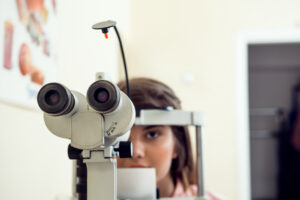
9. How Is Dry Eye Syndrome Diagnosed?
An eye specialist may ask about your symptoms, medical history, medicines, screen habits, and contact lens use.
The examination may include:
Tear film assessment: The specialist checks the quality and stability of the tear film.
Tear production testing: A test such as the Schirmer test may be used to measure tear production.
Ocular surface examination: A special dye may help identify damage or dry areas on the surface of the eye.
Eyelid evaluation: The specialist may examine the eyelids and oil glands for signs of inflammation or dysfunction.
Not every patient needs every test. The examination is tailored to the symptoms and suspected cause.
Correct diagnosis is important because dryness, allergies, infections, and other eye conditions can produce similar symptoms.
10. Frequently Asked Questions About Dry Eye Syndrome
What is the main cause of dry eye syndrome?
Dry eye syndrome can result from reduced tear production, rapid tear evaporation, or an unstable tear film. Age, screen habits, environmental conditions, certain medicines, and eyelid gland problems can contribute.
What are the most common dry eye symptoms?
Common symptoms include burning, stinging, redness, irritation, a gritty sensation, watery eyes, and temporary blurred vision.
Can mobile phones and computers cause dry eyes?
Long periods of screen use can contribute to dry eyes because people may blink less often or incompletely. Regular breaks and conscious blinking may help.
Which eye drops are best for dry eyes?
Artificial tears are commonly used, but the best product depends on your symptoms and the underlying cause. An eye specialist or pharmacist can help you choose an appropriate product. Persistent symptoms may need further evaluation.
Can dry eye syndrome be cured permanently?
Dry eye disease is often a long-term condition, but many people can manage their symptoms effectively with suitable treatment and lifestyle changes. The results depend on the cause and severity.
Are watery eyes a sign of dry eye disease?
Yes. Irritation caused by dryness can trigger reflex tearing. However, watery eyes can have other causes, so persistent symptoms should be evaluated.
Is dry eye syndrome serious?
Mild cases are often manageable, but severe or untreated dry eye disease can damage the surface of the eye and affect vision. Persistent symptoms deserve medical attention.
Can dry eyes affect vision?
Yes. An unstable tear film may cause temporary or fluctuating blurred vision. Sudden or persistent vision changes should be assessed promptly.
How long does dry eye treatment take to work?
Some lubricating drops provide quick relief, while other treatments may take several weeks or longer to show their full benefit. The timeline depends on the treatment and the underlying cause.
Conclusion
Dry eye syndrome can cause burning, irritation, redness, watery eyes, and blurred vision. Common contributing factors include prolonged screen use, environmental conditions, ageing, contact lens use, certain medicines, and eyelid gland problems.
The good news is that many people can manage dry eye symptoms with appropriate treatment and simple daily changes. Regular screen breaks, complete blinking, suitable lubricating drops, and professional guidance can all play a role.
If your symptoms are persistent, severe, or affecting your daily activities, consult an eye specialist for an accurate diagnosis and personalised treatment plan.